I Hate Online Waiting Rooms: Using Lotteries to Make Event Ticket Sales Fairer in South Africa
A couple of weeks ago the Clicks Beauty Playground tickets went live on AirDosh. My friend asked me to get her a ticket. I thought it was going to be a simple process, log in, select ticket and pay. Instead, I spent three hours stuck in a waiting room during my lunch break. They were about 30,000 people ahead of me and, unsurprisingly, I didn't end up getting the ticket.
This experience made me question whether waiting rooms were the most efficient and fairest way to sell tickets to events in which demand exceeds the number of tickets available. In my view, waiting rooms are inherently unfair when it comes to these events within the context of South Africa as they can reinforce already existing inequalities. In this post I suggest that random lotteries are the better option in terms of fairness since they give everyone a chance to win.
How Do Waiting Rooms Work?
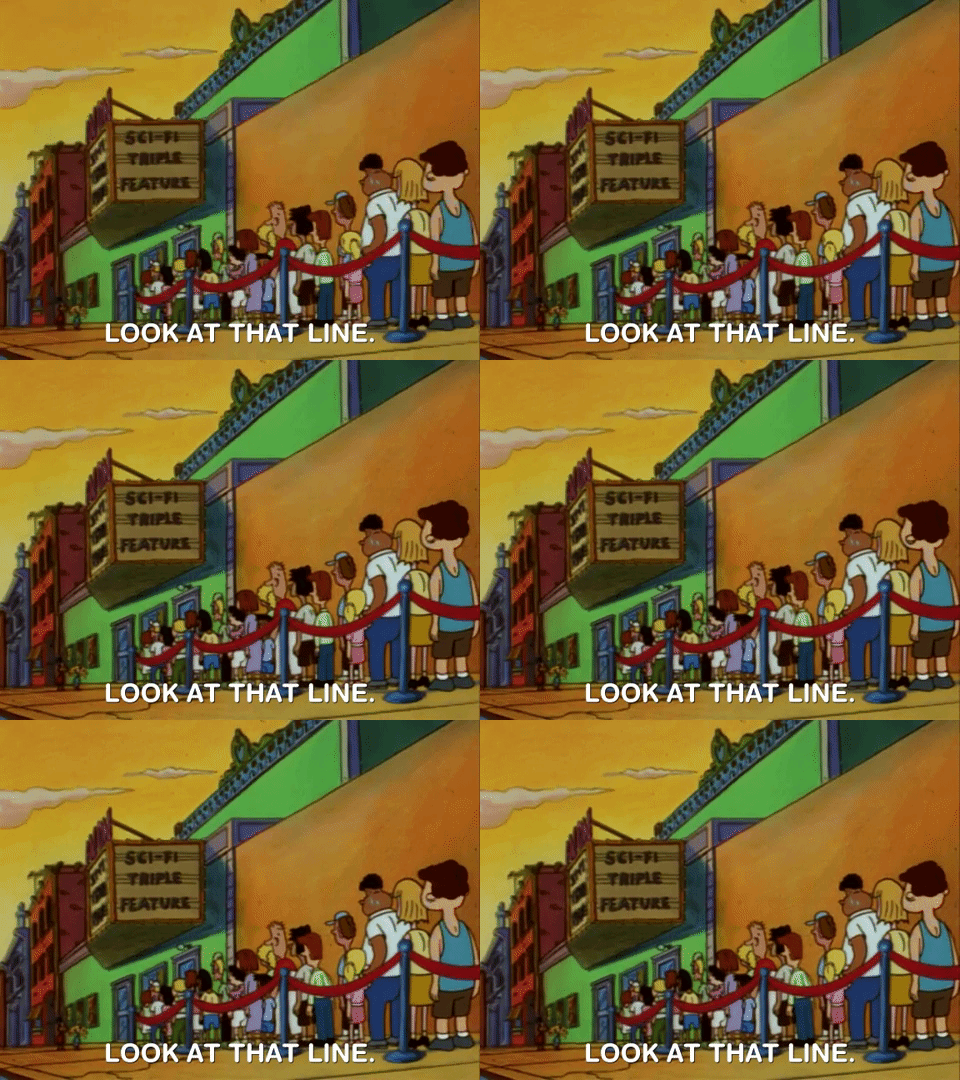
Waiting rooms are basically virtual lines that you need to stand in until you reach the front. You can imagine them like standing in a line at your local shopping mall but in the digital space. The process begins with registering for an event. When tickets go on sale, you will be prompted to join a queue. Once you join the queue you are thrown into a waiting room. While in the waiting room all you can do is wait. Once you reach the front of the line you will have the opportunity to purchase a ticket. Depending on the implementation of the waiting room you could see certain information such as how many people are ahead of you and the amount of time you are expected to wait.
The Fairness Problem
There is extreme social inequality within South Africa which spans both race and income. These inequalities affect the access to resources people have in terms of internet access and technology. This is often referred to as the digital divide.
In a first-come, first-served system, the timing of a user's arrival can determine their position in the queue. People with reliable internet connections may find it easier to access the website as soon as tickets become available, while those dealing with slow or unstable connections may struggle to join in time. In a country where access to reliable internet is unequal, this creates a potential disadvantage for people who are already less well-connected.
The problem is not that every waiting room necessarily rewards faster internet. Rather, it's that a first-come, first-served system make timing important, even when differences in connectivity are outside a person's control.
The paper Digital divide in Gauteng examines differences in home internet access across Gauteng, South Africa's economic powerhouse. It found that 14% of households used fibre as their only connection to the internet and 85% had access to a smartphone and access to either mobile networks or municipal WI-FI. Access to home internet also varied considerably by income and location.
These figures illustrate the differences in how people access the internet, even in Gauteng. For online ticket sales, these differences matter. Users may have to rely on mobile data, shared Wi-Fi or other connections that vary in reliability and performance. When ticket allocation depends on joining a queue as early as possible, unreliable connectivity can put some users at a disadvantage.
Random Lotteries As An Alternative

I propose a lottery-based system inspired by Lotteries for Shared Experiences. Imagine putting everyone's name in a raffle drum, mixing them up, and randomly drawing winners. Each winner would then have a limited time to purchase the ticket.
Fairness in this case means that everyone who registered for the event have an equal chance to win a ticket. However, this does not mean that everyone has an equal opportunity to enter. Some people may lack the funds to purchase the tickets or reliable internet to access the register. A lottery addresses the fairness of ticket allocation, but it cannot eliminate every barrier to participation.
The lottery algorithm can be broken down into the following steps:
- Users register for the event during a defined entry period.
- Once registration closes, the system randomly selects winners from the pool, with the number of initial winners based on the available tickets
- Each selected winner receives an email and has 6–8 hours to complete their purchase.
- If a winner fails to pay within the allotted time, their opportunity expires, and the system selects a replacement from the remaining eligible entrants.
- The process continues until all tickets have been sold or there is no eligible entrants left.
Advantages and Caveats
A lottery addresses some limitations associated with waiting rooms. The system now allows everyone to have a fair chance of winning since people are decided at random. The fastest person is no longer the winner allowing for a diverse group of people the chance to attend such events.
A lottery also offers a better user experience. Instead of spending hours waiting in a queue with no guarantee of getting a ticket, users can register during a defined period and carry on with their day. They are notified if they are selected and given a limited time to complete their purchase. This removes the need to remain on a website, repeatedly checking their queue position.
Random lotteries, however, have a few caveats. The first is that the platform will need to handle user login and verification well. If people are allowed to make as many accounts as they can, this would give people an advantage in terms of being chosen. One way of verifying user identity would be allowing for both email and phone number verification on account creation or before registering for the event.
The second problem arises when people want to attend an event together. If friends register individually, some may win tickets while others miss out, undermining the shared experience. One possible solution is to allow users to enter as a group and specify how many tickets they need, subject to a maximum limit. The lottery would then select the group as a single entry, allowing its members to purchase tickets together.
Other Approaches
While researching promotional giveaways in South Africa, I came across FlySafair's Birthday promotion. Their approach uses a waiting room that randomly selects users. The waiting room has other activities such as interactive games and other promotions. Selected users have 10 minutes to complete their transaction; otherwise, they return to the waiting room.
This is an interesting example of how random selection can be incorporated into high-demand promotions. It shows that ticket allocation does not have to rely entirely on who joins a queue first. Although FlySafair’s approach differs from the standalone lottery system I propose, it demonstrates how randomness can be used in the process.
Conclusion
Online waiting rooms can create a frustrating experience for people trying to purchase tickets for high-demand events. More importantly, first-come, first-served systems can disadvantage people whose internet access makes it harder to join a queue quickly.
A random lottery offers a different approach. By giving every eligible individual an equal chance of being selected, it removes the need to compete on speed. Although lotteries do not eliminate every barrier to participation, they could offer a fairer and more accessible way to allocate tickets for high-demand events in South Africa. The same approach could also be explored for other oversubscribed events and promotions, including airline giveaways.